Compensation is the word practitioners use when one sore structure asks another to do the work. It is also how a mild hock problem becomes a back problem, and how a kelpie that started with a split web ends the season “out through the loin.” Owners notice the second problem. They book the second problem. The first problem is still in the file.
This essay sits on the signs and conditions hub because it is the idea underneath most of the other presentations. It is not a diagnosis chart. A limp is a veterinary sentence until a veterinarian says otherwise.
What a limp is, before anyone names a joint
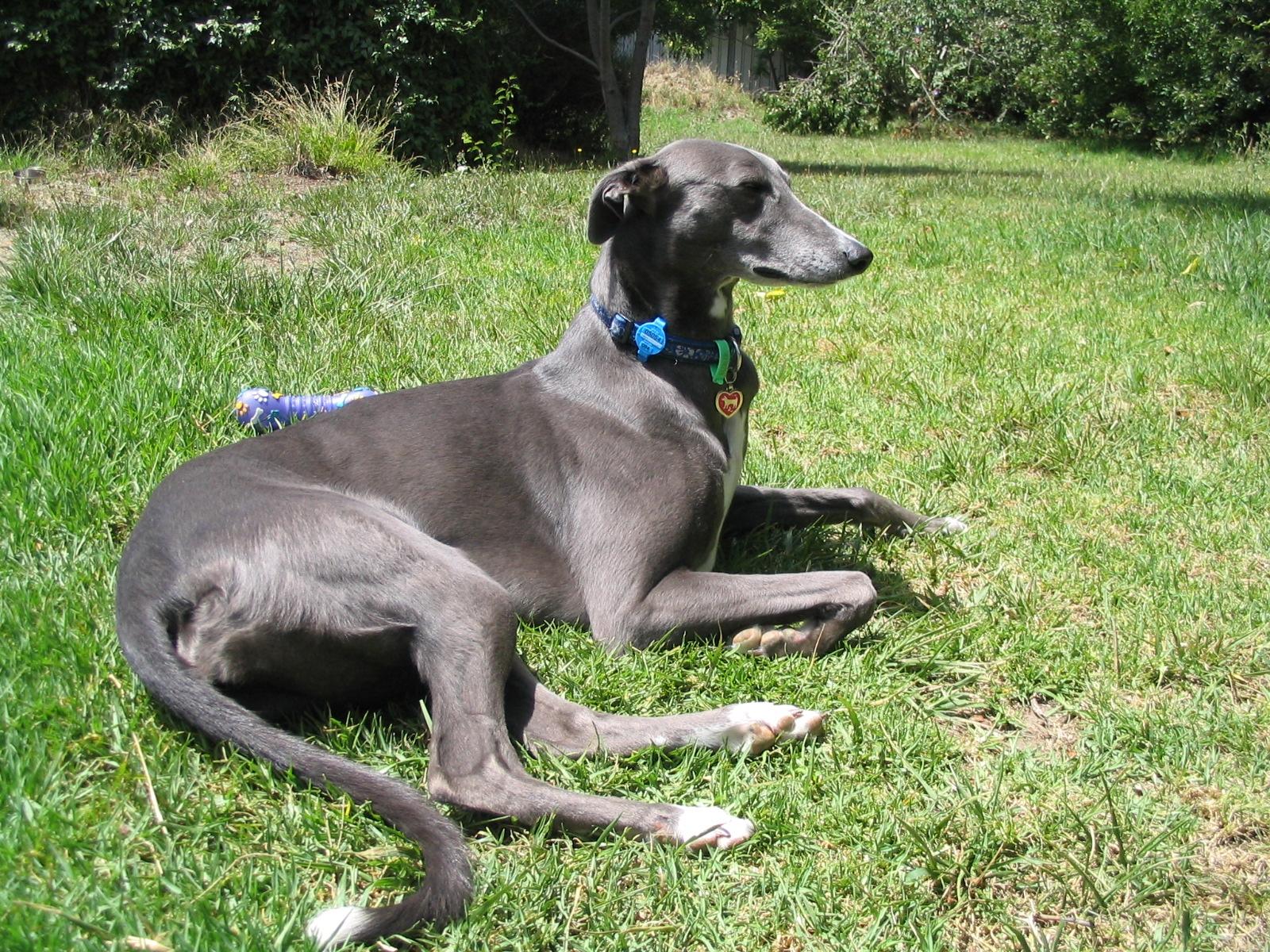
In a dog, a limp is an irregular gait. Weight-bearing, non-weight-bearing, worse after rest, worse after work, shifting, only on the lino, only after the ute. Those modifiers matter. A retired greyhound that bunny-hops out of a crate is not automatically a lumbar case; the photograph on this page is a reminder of how much history a long dog can carry in a hock or a stopper. A staffy that screams on the first three steps and then warms out may be osteoarthritic. A dachshund that goes hunched and then weak is in a different corridor — intervertebral disc disease.
In a horse, a limp is lameness until someone has watched a trot on a hard straight. Riders will call a short stride behind “stiffness” because stiffness sounds like something a chiropractor can help. Sometimes it is. Sometimes it is a foot. Signs a horse needs a biomechanical assessment is the equine noticing list. It still starts at the clinic.
Non-weight-bearing, a hot swollen joint, a wound, a fever, a horse with a bounding digital pulse, a dog that will not put a paw down after a jump — those are not compensation essays. They are today.
How compensation actually looks
A dog with a chronic left cruciate unloads the left stifle. The right hind and the lumbar spine take the extra. The neck may come along for the ride if the dog has been sitting sideways for a year. After the surgery, if there is surgery, the back can remain the thing the owner sees. That is a real pattern, and it is why after veterinary surgery, where chiropractic fits exists. It is not a reason to have skipped the cruciate conversation.
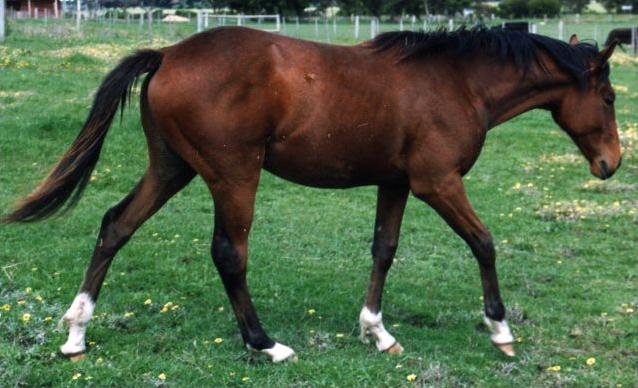
A horse with a sore left front foot will often look tight through the right loin and the opposite shoulder. A well-meaning man with a drop piece will “put the pelvis in.” The foot will still be sore on Thursday. Farriers, saddlers and animal chiropractors is the team version. Performance horses, saddle fit and the spine is the leather version.
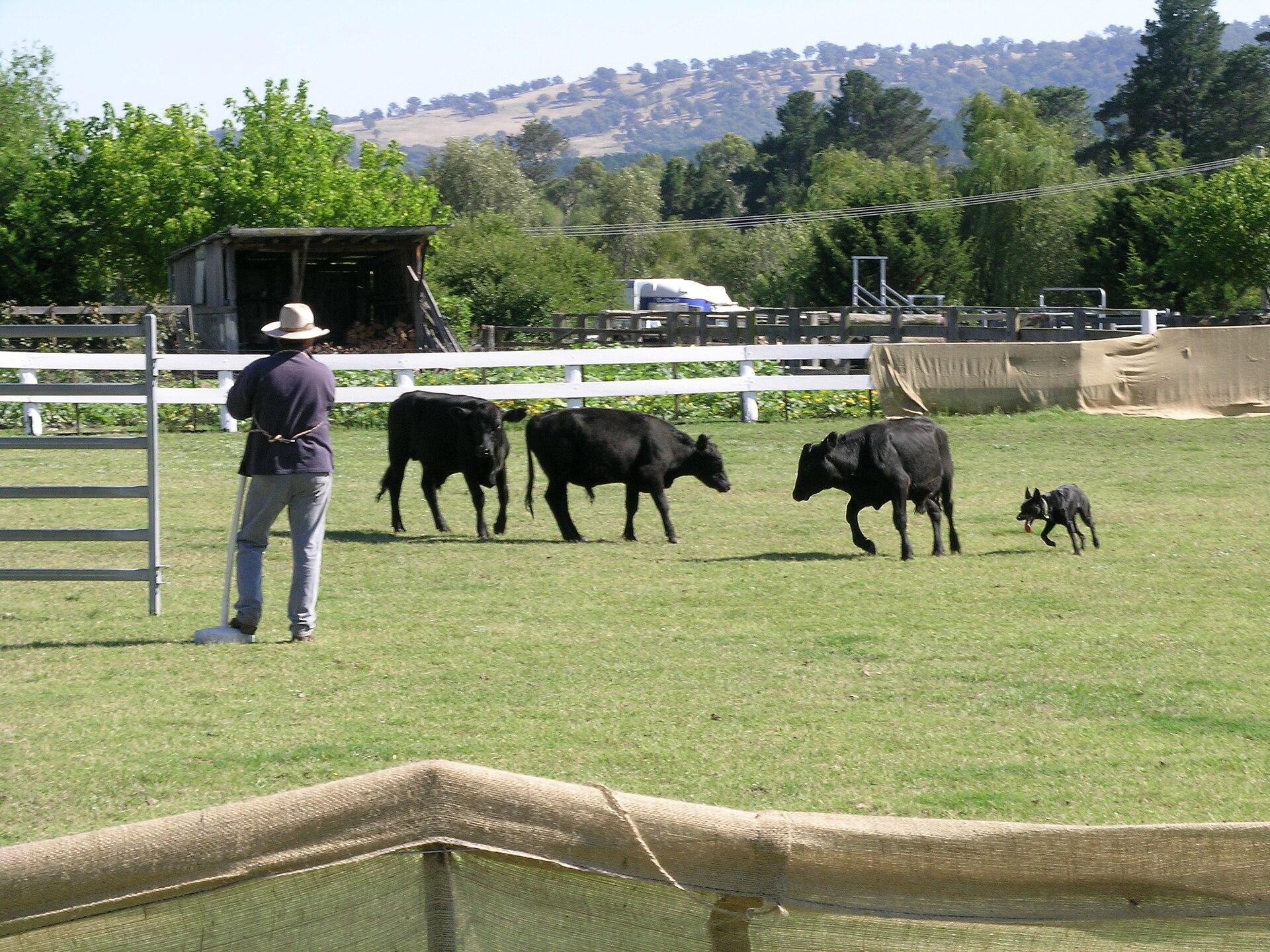
Working kelpies add a twist: they will work through a mild problem until the compensatory pattern is the only gait the owner has seen for a month. Chiropractic for working and sporting dogs is that load. The veterinarian still owns the first look.
Stiffness is a real word, and a slippery one
Senior dogs are stiff. Cold horses are stiff. Animals that have stood in a small yard overnight are stiff. Osteoarthritis produces stiffness that eases, a little, once the animal is moving — the subject of senior dogs, arthritis and manual therapy. A surgical spine produces stiffness that should not be wished away. A neurological lesion produces a stiffness that is not stiffness at all; it is a system failing.
Owners cannot be asked to tell those apart on a Thursday night in a Tamworth kitchen. They can be asked to ring the clinic if the animal cannot rise, if the stiffness is new and severe, or if urine has started to drip. Incontinence and spinal pain is that fork.
What a musculoskeletal practitioner may add
After the veterinarian has named, or at least bounded, the primary problem, a trained animal chiropractor — the ABPA pathway, RMIT or Box Hill postgraduate training after a primary degree — can look at the rest of the chain. They can treat a thoracolumbar junction that is guarding, a pelvis that is not following, a neck that has been braced. They can tell you the pattern will come back if the foot is not addressed. That sentence is worth the invoice.
They cannot, if they are not a veterinarian, diagnose the primary lesion as a public fact. Veterinary referral and state practice acts is the legal version. The Chiropractic Board does not create a parallel scheme.
The evidence that treating the compensatory segment changes outcomes is, like the rest of this field, limited. It is a rationale with clinical experience behind it, not a large trial. Say that, then decide whether a short, reviewed trial of care is worth doing.
How much does a “compensation” visit cost?
The same as any other visit: owner-reported 2025 figures around $90 to $180 for a dog, $130 to $280 for a horse, plus travel. The expensive part is repeating it while the primary lesion sits untreated. A veterinary work-up that names the driver is the saving.
When should I stop chasing the second problem?
Stop if nobody has examined the animal as a veterinarian. Stop if the limp is getting worse. Stop if the practitioner’s story never includes the feet, the saddle, the cruciate or the disc. Stop if neurological signs appear. Stop if you are on visit eight and cannot say what is being treated.
What canine chiropractic is and what equine chiropractic is remain the definitions. Compensation is not a licence to skip them, and it is not a licence to skip the clinic. It is the reason a careful pair of hands looks at the whole animal — after someone else has been allowed to name the sore bit that started the week.