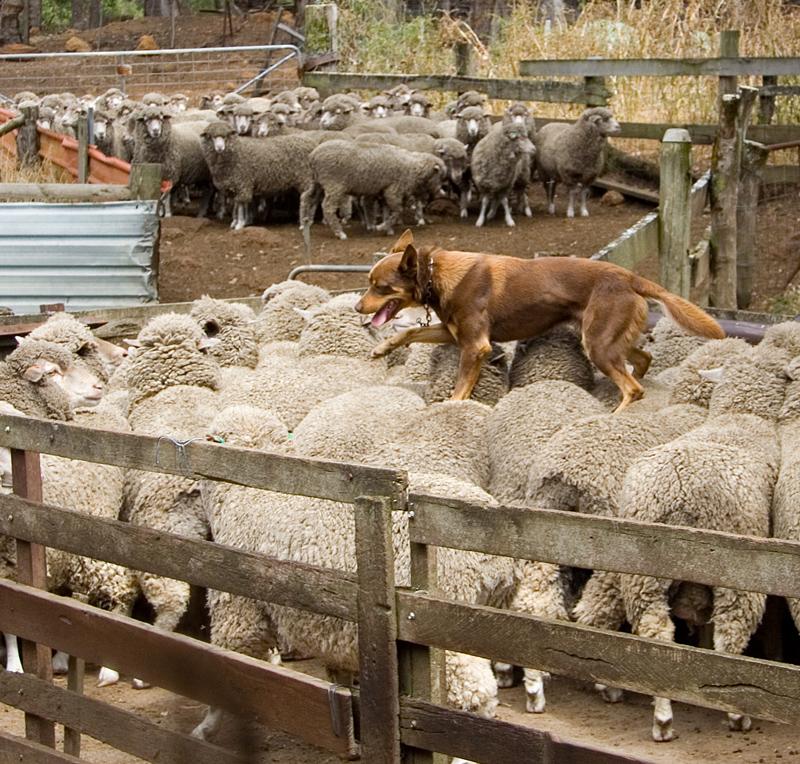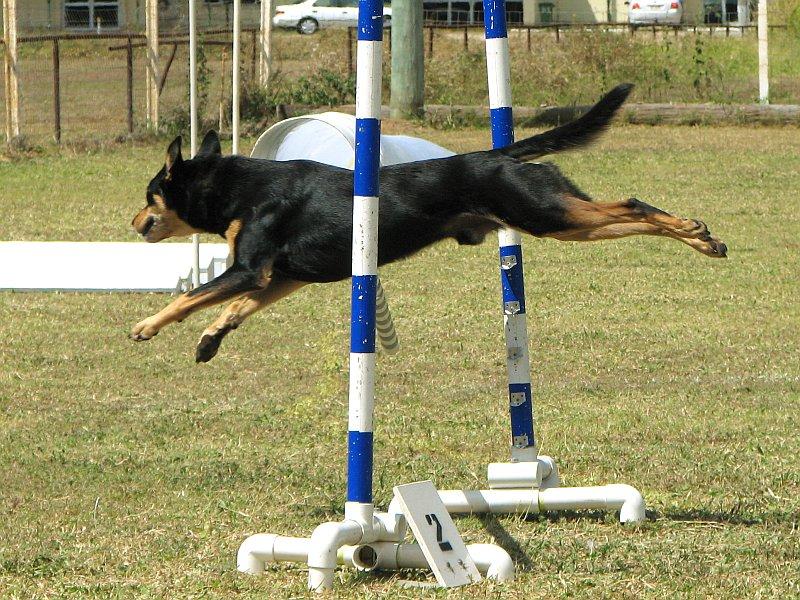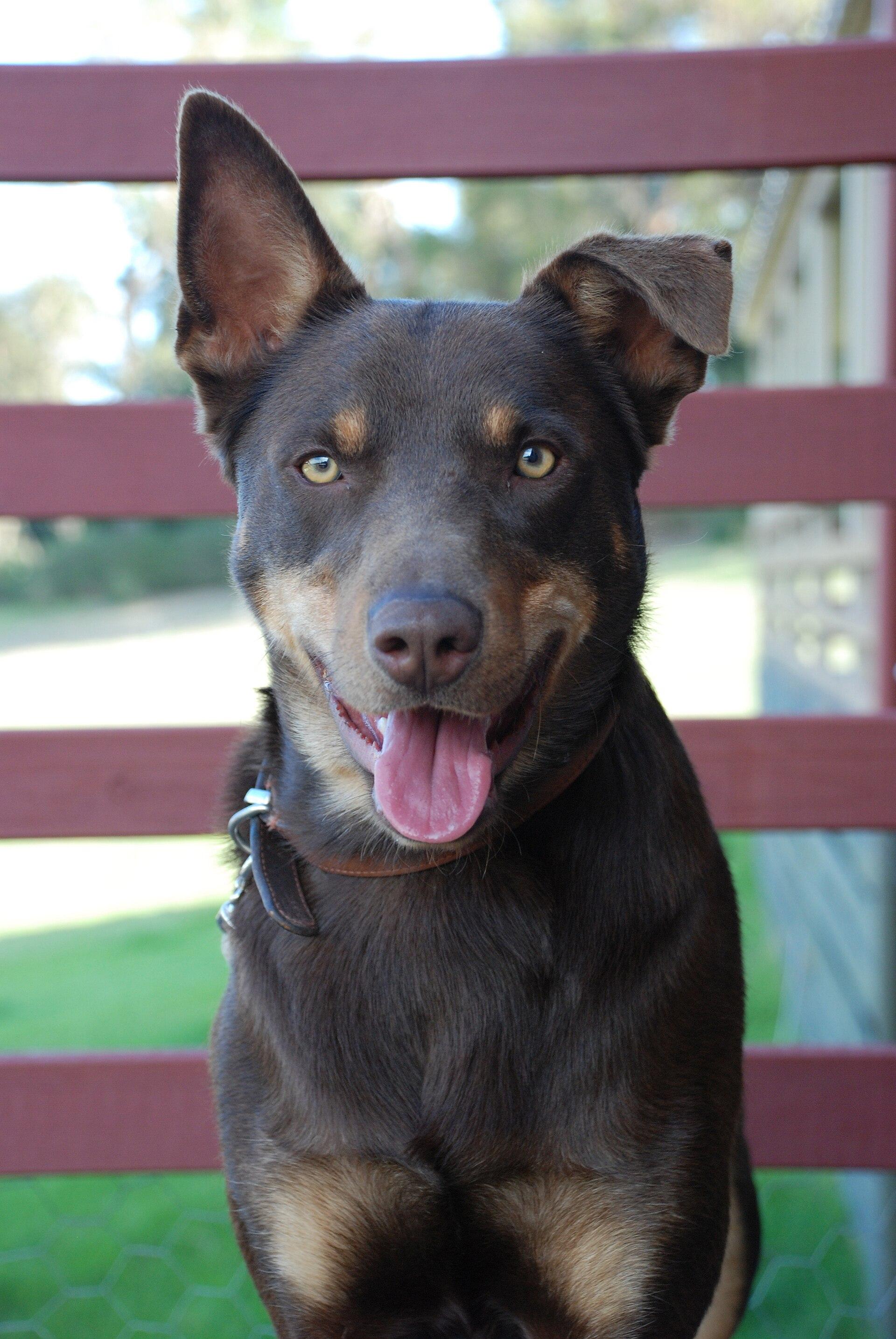
The dog on this page is a kelpie in its working prime. The emails we get are about the same breed at ten, eleven, twelve: slower on the back steps of a weatherboard in Ballarat, reluctant to jump the tray of a Hilux at a Gippsland farm gate, stiff after a night on a hard veranda. Owners have already heard the word arthritis. They are looking for something that is not another tablet.
Canine chiropractic can be part of that conversation. It is not the conversation. Osteoarthritis is a veterinary diagnosis. Pain relief, weight, and a plan for the house are still the treatments with the thicker evidence. Manual therapy is adjunctive, and the published evidence that it changes the course of canine arthritis is limited.
What arthritis looks like in an Australian house
Owners notice the first three minutes. The dog takes a moment to get out of the basket. The hind end looks narrow on the walk to the letterbox. The back legs splay a little on the kitchen lino. A kelpie that once jumped a sheep race now waits to be lifted into the ute. A labrador at the beach in winter wants the first hundred metres of the walk to be slower than the rest.
Those signs live in the conditions hub as well as here. They overlap with limping, stiffness and compensation: a sore left hip asks the lumbar spine and the opposite stifle to do more, and the dog arrives looking “out in the back.” Treating the back without naming the hip is how people spend a year of visits.
Radiographs, when the veterinarian wants them, often show changes that are older than the limp. That is not an argument for doing nothing. It is an argument for not promising that an adjustment will reverse a film.
What an animal chiropractor may reasonably do
After a history and a veterinary context — current medications, last bloods if the dog is on a non-steroidal, any previous cruciate or spinal surgery — a trained practitioner watches the old dog walk and then uses their hands. The aim is not a dramatic crack. It is to feel which segments are stiff, which muscles are guarding, and whether the dog can be made more comfortable without being asked to do something its joints cannot do.
Instrument-assisted work is common in seniors. So is a longer soft-tissue session and a shorter list of home exercises: a controlled sit-to-stand on a carpet, a slow walk on grass, a decision not to throw the ball on the oval. The old copy on this domain, from the Woollamia years, listed laser, stretching, trigger-point work and myofascial release as adjuncts. Those tools still appear in Australian rooms. None of them is a disease-modifying osteoarthritis drug.
What canine chiropractic is is the definition if you need the larger frame. Preparing your dog for a visit is the practical hour: a non-slip surface, a familiar handler, a note from the vet.
What the veterinarian still owns
Pain. Weight. The decision to use a non-steroidal, a gabapentinoid, a monoclonal antibody where it is registered and available, or a joint injection. The decision that a hip or a stifle is surgical. The decision that the neck is not safe to manipulate. Those are not optional extras around a chiropractic plan.
A careful animal chiropractor will want that plan in writing, or at least by phone. A careless one will tell you the tablets are “masking the real problem.” The tablets are treating the problem. Inflammation is not a character flaw.
If the senior dog has a neck that is painful, or a hind end that is becoming weak, or any change in continence, the next click is not a booking. It is incontinence and spinal pain and a clinic. Degenerative lumbosacral stenosis, a tumour, and a disc are all in the differential of the “just old” dog.
How much does it cost, and how often?
Informal owner reports in 2025 put a canine visit somewhere between about $90 and $180, sometimes less for a short follow-up, more if someone drives to a property outside Bendigo or up the Hunter. A monthly calendar is a habit, not a protocol. Winter is when owners notice stiffness; it is also when wet floors and cold nights do their own work.
Ask what you are paying for. A repeat palpation and a small amount of specific work on a dog that was better for a fortnight can be rational. A twelve-visit package sold at the first handshake is a sales shape, not a geriatric one.
Evidence, plainly
Human osteoarthritis literature on manual therapy is mixed and larger than the canine file. The canine file is small. Physiotherapy, hydrotherapy and weight-loss trials have more to stand on than chiropractic adjustment trials. That is not a reason to forbid gentle, trained hands on a stiff old kelpie. It is a reason to keep the claims small: a more comfortable week, a slightly easier rise, a dog that will walk to the gate. Not a cure. Not a reversal of the radiograph.
If a website says otherwise, treat the website as advertising.
When should I stop?
Stop if the dog is worse after visits — more reluctant, more sore that night, less willing to rise the next morning. Stop if you are being asked to discontinue prescribed analgesia. Stop if the practitioner cannot work with the veterinarian who already has the file. Stop if new neurological signs appear.
The canine chiropractic desk is for owners who want the field stated without a miracle. After veterinary surgery is the adjacent essay if the old dog has had a joint cleaned or a cruciate done and someone is already talking about “getting the back right.” Combining vet care, physio and animal biomechanical medicine is for households that have acquired three plans and need them to stop undoing each other.
An old Australian dog is allowed to be stiff. It is not required to be in unmanaged pain, and it is not required to spend its last winters on a treatment table. The veterinarian sets the floor. Manual therapy, if it earns a place, stays on that floor.