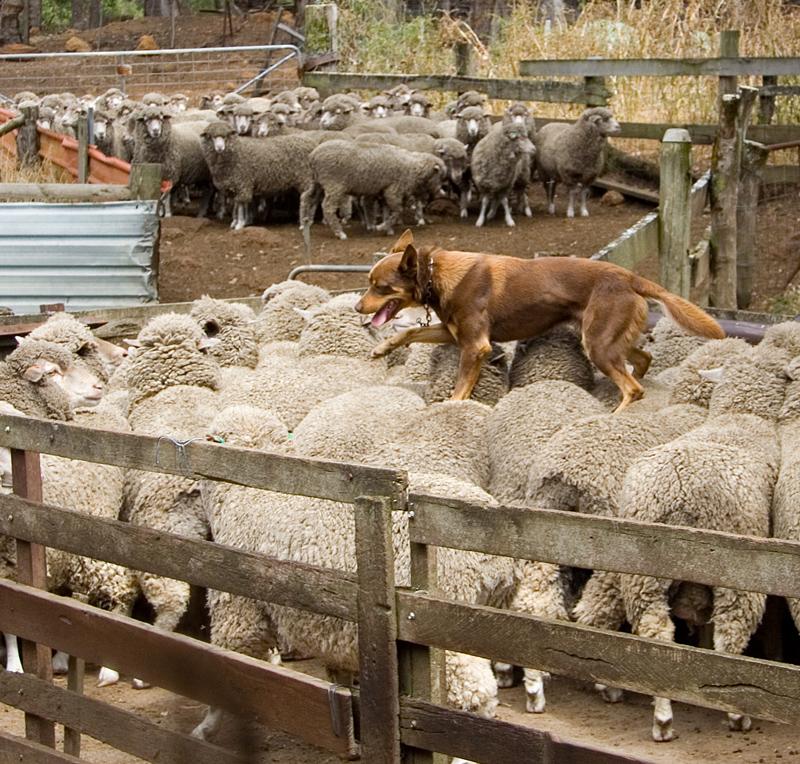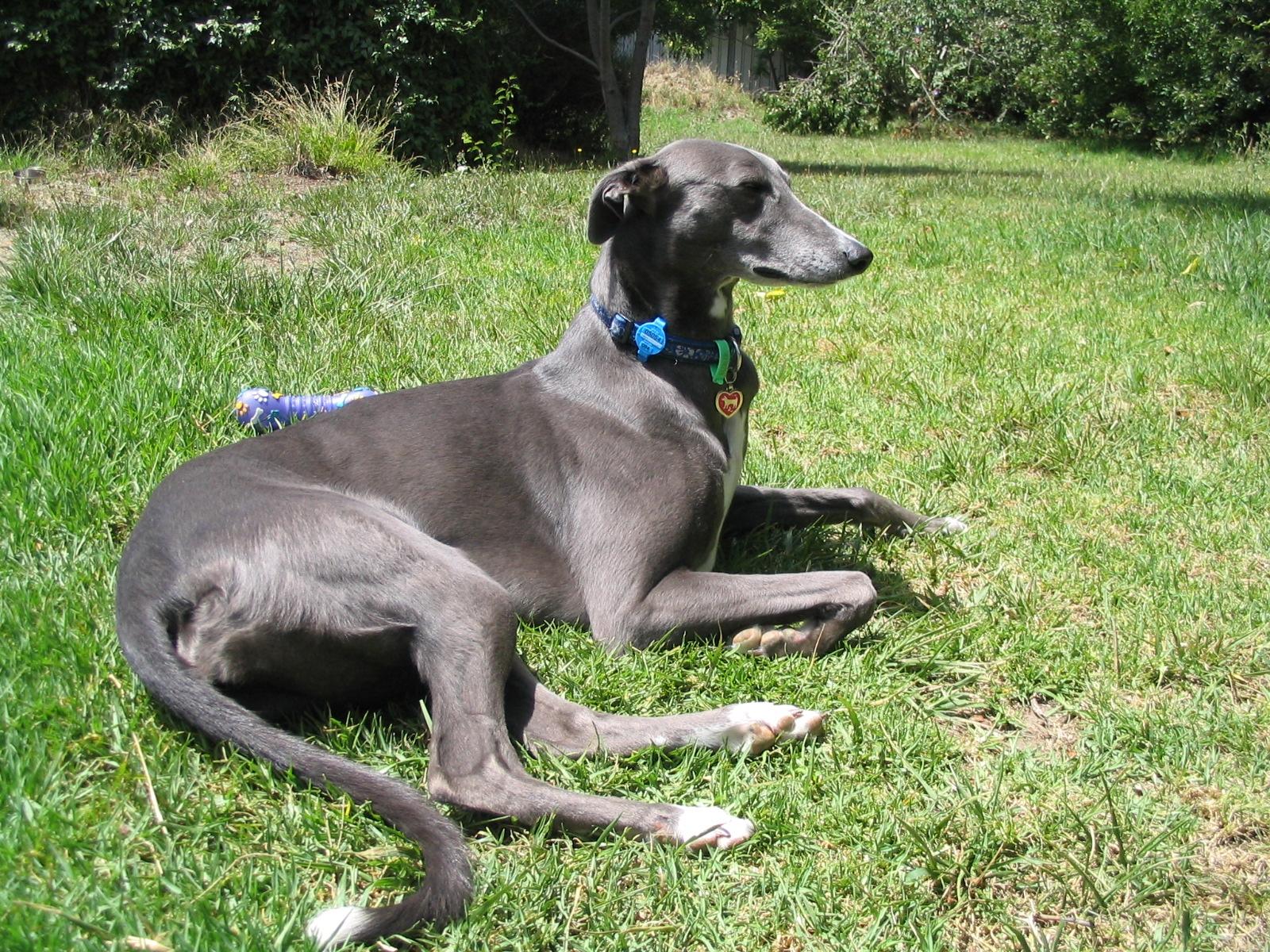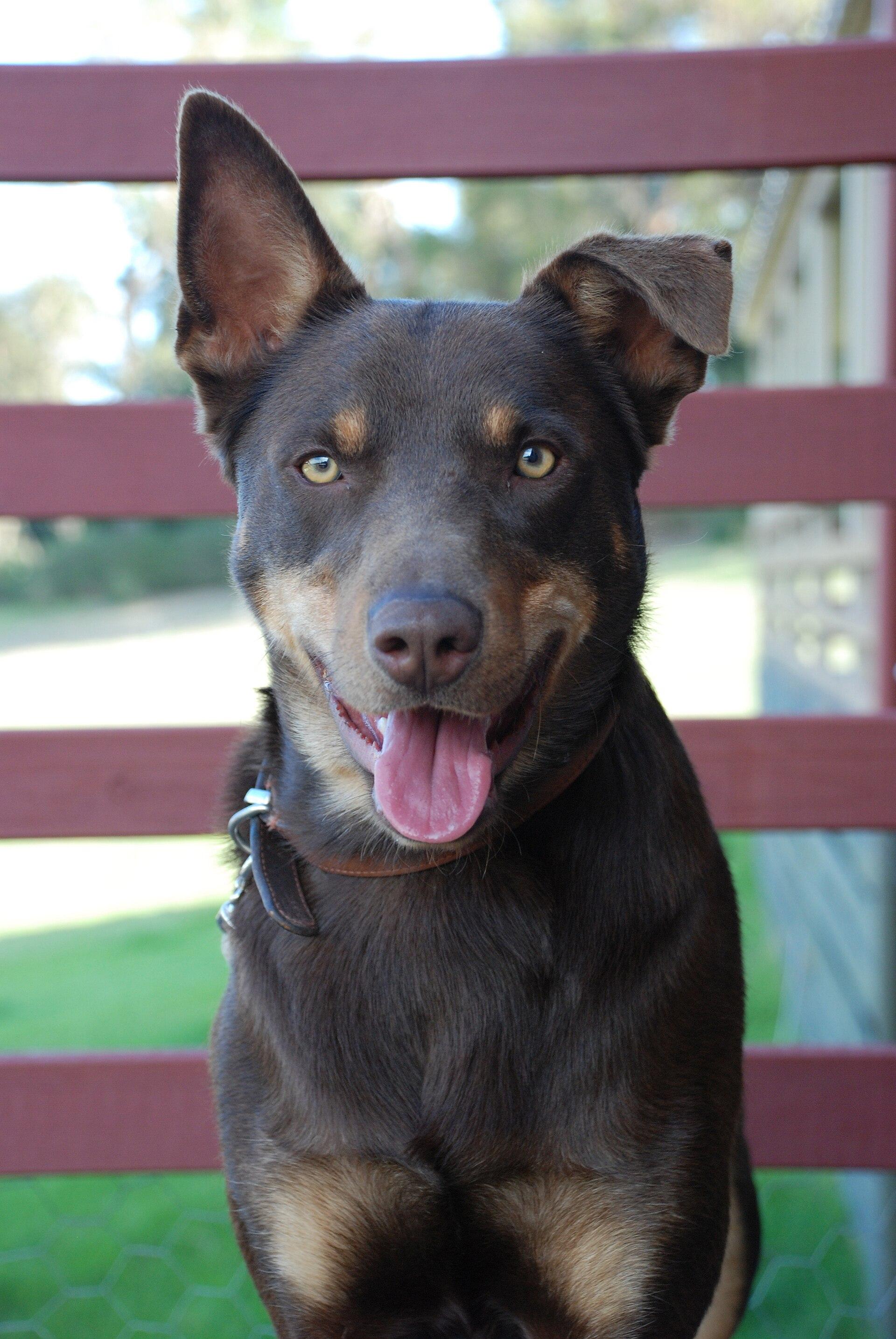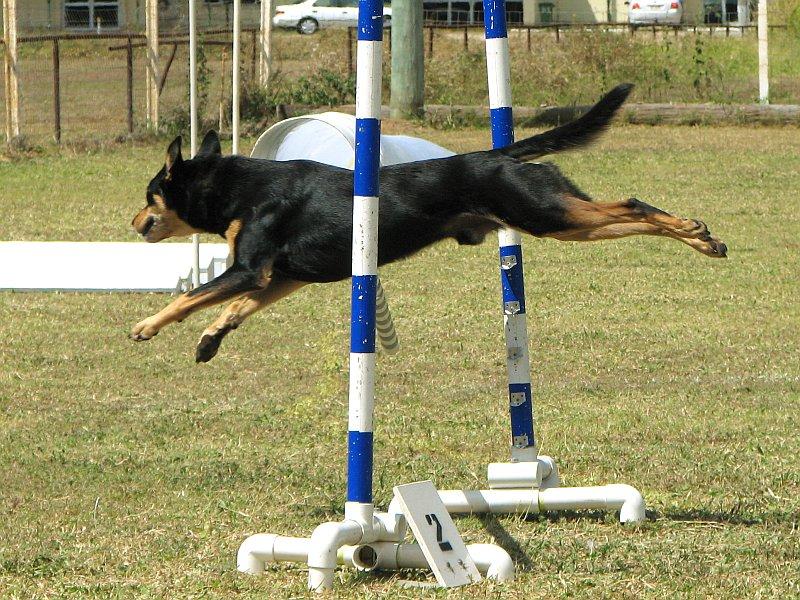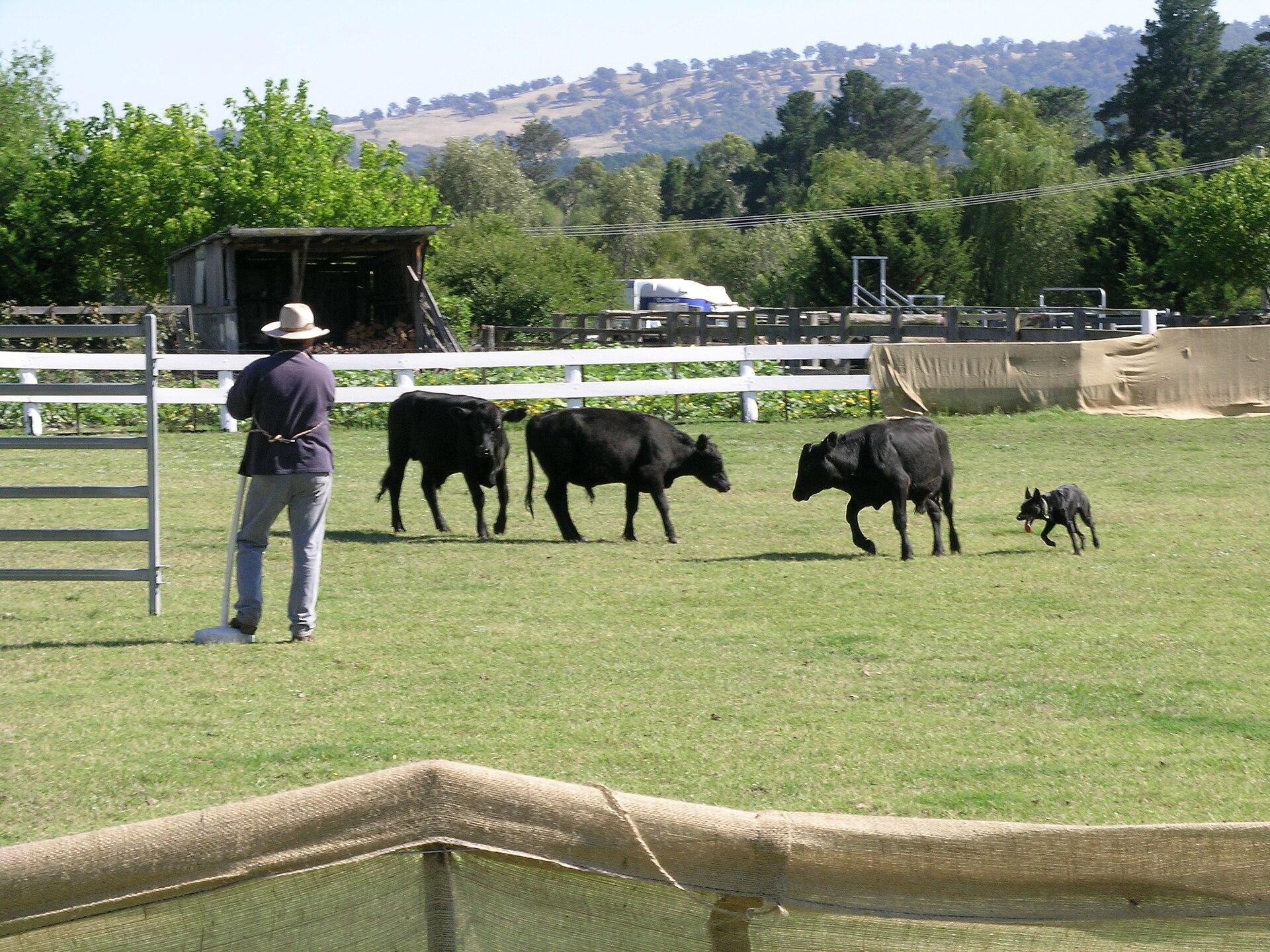
Dog owners arrive at animal chiropractic with a short list: the kelpie that no longer wants the ute tray, the greyhound that bunny-hops after a race career, the backyard dog that screams when the collar tightens. The old animalchiropractor.com.au site treated canine work as clinic work — instrument-assisted adjustments, no yanking of limbs, booked at Woollamia rather than in a paddock.
That framing still holds. Canine chiropractic in Australia is a manual assessment of joints and soft tissue, offered by people who already hold a veterinary, chiropractic or osteopathy degree and then completed a postgraduate animal programme. It is not a substitute for a work-up of intervertebral disc disease, cruciate rupture, or a neck that went wrong on a slip.
Start with signs your dog may need a musculoskeletal assessment if you are watching a gait change, or what canine chiropractic actually is if you are still deciding whether the word applies. Sporting and working dogs have their own load patterns — see chiropractic for working and sporting dogs and the retired greyhound questions that follow surgery.
If the dog cannot rise, is dragging toes, or has suddenly lost bladder control, skip this hub and read when incontinence and spinal pain are a veterinary emergency. Then call the clinic that already knows the animal.