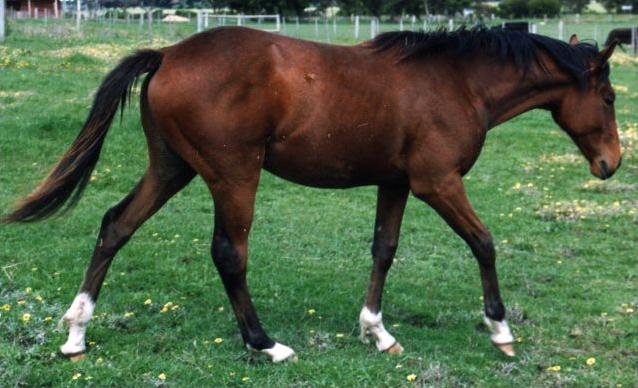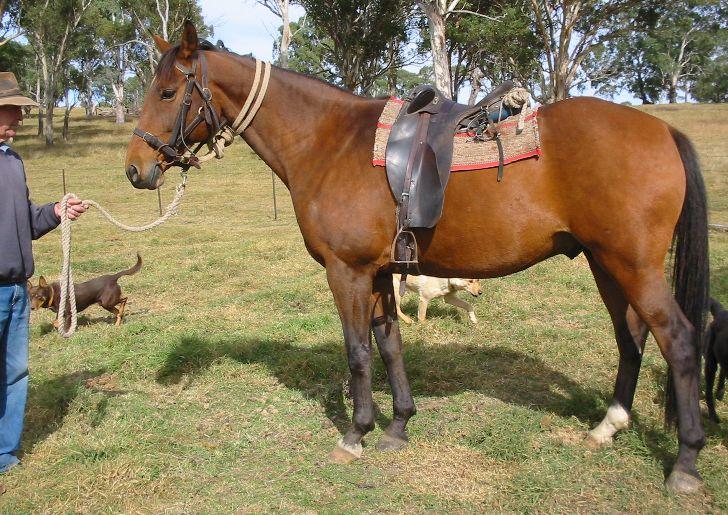
The photograph is the whole argument: a saddled stock horse, kelpies waiting, a day of work ahead. The spine in that picture is not a closed system. It sits on four feet and under a tree of leather. Australian equine practice has always been a team sport. It becomes a farce when the farrier, the saddler and the animal chiropractor each leave a note on the stable door and never speak.
This essay belongs on the equine chiropractic desk because owners often book the chiropractor as a way of not booking the other two. That is the wrong economy.
What each trade can actually see
A competent farrier sees balance, heel height, mediolateral truth, and whether the horse is landing where the last shoe suggested it would. They feel the pulse and they know when to stop and call a veterinarian about a foot abscess, a laminitic risk or a crack that is more than a crack. They cannot diagnose a sacroiliac injury. They can tell you the hind end has been loading the medial wall for a month.
A saddler or saddle fitter sees the tree, the flocking, the panel, the girth and the way the rider sits. They can tell you the saddle is bridging, or that the wither has changed shape since autumn. They cannot clear a kissing-spine horse for work. They can tell you the horse is holding itself in a way that makes every tree look wrong.
A trained animal chiropractor — primary veterinary, chiropractic or osteopathy degree plus the RMIT or Box Hill postgraduate animal programme, findable through ABPA — sees segmental movement and muscle guarding along the poll, back and pelvis. They can tell you the thoracic spine under the saddle is not moving, or that the pelvis is uneven. They cannot shoe the horse or certify the saddle. What equine chiropractic is is that job description.
The veterinarian sees all of those structures as a medical problem. They own the diagnosis. Veterinary referral and state practice acts is not optional reading if you are the person coordinating the diary.
Compensation is why the team exists
A long-toe, low-heel hind foot will change the way the pelvis sits. A horse that has been sore in a foot for three weeks will arrive with a lumbar region a practitioner wants to treat. If they treat it and nobody shortens the toe, the lumbar region will come back. The same loop runs through a bridging saddle and a hollow thoracic spine, and through a rider who sits to the left and a horse that will not pick up the left lead.
Limping, stiffness and compensation is the mechanics. Performance horses, saddle fit and the spine is the leather. Signs a horse needs a biomechanical assessment is the owner’s noticing. This page is the diary: put the three trades in the same fortnight and make them talk.
The old Shoalhaven circuit on this domain — Nowra, Berry, Kiama, Kangaroo Valley, the Illawarra — only made sense because farriers and saddlers already worked those roads. A mobile practitioner who never asks the name of the farrier is choosing not to know.
How to make them write to each other
Give each person the same short history: last lame day, last shoeing, last saddle check, last veterinary visit, current work. Ask the veterinarian to name the question they want answered. Ask the chiropractor to send three sentences, not a mystique. Ask the fitter to photograph the saddle on the horse after work, not only in the aisle.
If you are in a regional town, this is easier than it sounds. There are fewer people. They already know each other. The failure mode in regional Australia is not anonymity; it is politeness — nobody wants to say the last shoeing was a month late or the saddle is a relic. Be the owner who says it.
Mobile practitioners and regional Australia is the logistics essay. Combining vet care, physio and animal biomechanical medicine is the same idea with a canine and rehab accent.
What disagreement should look like
Disagreement is allowed. A farrier may say the foot is the whole story. A practitioner may say the pelvis is not following the foot. A fitter may say both of them are ignoring a tree that does not fit. The useful form of that argument is a phone call and a plan: trim this cycle, rest two weeks, recheck the saddle, then decide whether another musculoskeletal visit is warranted.
The useless form is three invoices and a horse that is still hollow. If someone in the team wants you to stop the veterinarian’s pain relief, or to keep the horse in work against advice, they are no longer on the team.
How much a coordinated month costs
Owner-reported 2025 ranges: farriery $150 to $250 for a full set, more for corrective work; a saddle consult in the low hundreds before flocking or a new saddle; a chiropractic visit $130 to $280 plus travel; a veterinary lameness work-up that can run much higher once imaging starts. Coordinating them is cheaper than repeating them.
Race and high-performance yards already budget this way. The paddocked horse at Callala or the stock horse west of Tamworth deserves the same logic at a smaller scale: one farrier you keep, one saddle that fits, one veterinarian, and a musculoskeletal practitioner you can find with how to find a qualified animal chiropractor rather than a weekend badge.
When should I stop adding people?
Stop adding if the horse has not had a veterinary examination. Stop if you cannot say what each person is responsible for. Stop if the horse is neurologically wrong, down, or non-weight-bearing — that is after a fall or slip, vet first, not a committee.
A working saddle on a working horse is a system. The trades are only as good as the conversation between them. The spine does not care who arrived first. It cares whether the feet, the leather and the diagnosis were in the same story.