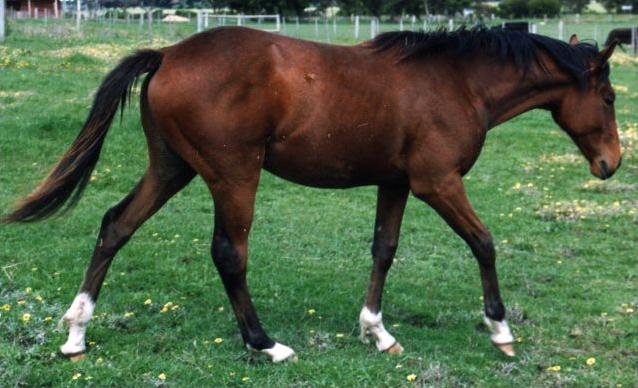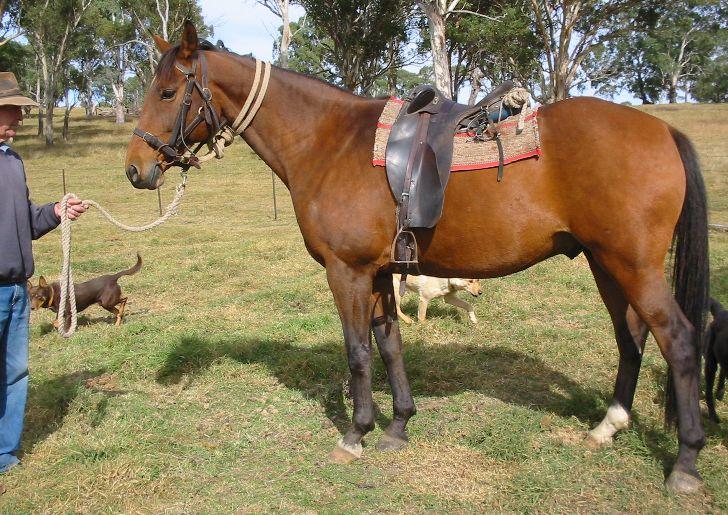
An Australian Stock Horse under a working saddle is the photograph. The inbox is more specialised: a thoroughbred that “doesn’t let go” at Rosehill, an eventer that flattened after a drop at a Melbourne international, a small-tour dressage horse in the Adelaide Hills that will not sit in the canter pirouette. Owners and trainers want to know whether the same pair of hands can serve all three.
The spine is the same species. The week is not. Equine chiropractic, when it is offered by someone with a real postgraduate animal qualification, can sit in all three yards. It does not become a different science because the rug is a different colour. It does become a different risk conversation.
Racehorses: speed, a light rider, a short career
A thoroughbred or a standardbred is asked for repeated fast work, a light jockey or driver, and a calendar that does not love rest. The back takes the gallop and the rider’s crouch. The sacroiliac region and the lumbar spine take the push from behind. Hocks, stifles and feet produce a large share of the “back” presentations that walk into a box.
Racing also has a regulatory layer the paddock horse does not. Stewards, official veterinarians and stable rules decide who may treat a horse on course and what must be written down. A practitioner who is used to a quiet property at Milton cannot assume they can walk into a Flemington or Eagle Farm stable with a drop piece. Ask. Write it down. The Chiropractic Board still does not regulate the animal; racing does regulate the meeting.
Track veterinarians own the unsoundness. A trained animal chiropractor may be asked to look at a horse that is stiff rather than lame, or at a horse whose veterinary work-up has not found a primary lesion the trainer will accept. They should not be asked to paper over a stress fracture conversation. Bone does not negotiate.
Eventers: the mixed week
Eventing is the discipline that most honestly resembles a stock horse’s job, at a higher speed over constructed obstacles. Dressage on Friday, showjumping, then a cross-country track that asks the horse to gallop, collect, drop and turn. Adelaide International, the Melbourne events, and the calendar of one-day events from the Hunter to the Darling Downs all load the same structures in different weeks.
Falls happen. After a fall or slip, vet first is not a polite suggestion after a rotational or a heavy peck. Imaging, a neurological check and a rest decision come before any “get him moving for next weekend.” A familiar practitioner who already knows the horse can be useful later for the stiffness that follows a long season. They cannot undo a season that should have ended in March.
Saddle fit is a weekly argument in eventing because the horse changes shape across the three phases and across a fitness programme. Performance horses, saddle fit and the spine is required reading before anyone blames the lumbar spine alone.
Dressage: collection, duration, a longer sit
Dressage horses — from a Pony Club test at Goulburn to a small-tour warmblood at Werribee — are asked to sit, collect and carry a rider who is in the saddle for a longer, more upright hour. The thoracic spine under the saddle, the lumbosacral region and the poll take a different kind of repetition: not a gallop, a sustained outline.
Riders notice a canter that becomes four-beat, a failed flying change, a hollow in the medium trot, a mouth that goes dry and busy. Teeth, bit, rider asymmetry and hock disease live in that list. So does a back that is sore. The order is still veterinarian, then the rest of the team. A piaffe that will not sit is not a sacroiliac emergency. A horse that is ataxic in the walk-up is.
The evidence that regular chiropractic improves dressage scores is, like the rest of this field, limited. Rider-reported softness the next day is common and allowed to matter. It is not a Grand Prix programme.
Stock horses and campdraft: the local load
This journal would be dishonest if it left the stock horse out of a “performance” essay. Campdraft at Warwick, cutting, mustering, and the ordinary week on a place west of Roma ask for sudden acceleration, a hard turn and a long day. The photograph is that horse. The spinal conversation is the same one as the eventer, with less Lycra and the same need for a farrier who can keep a foot under a turning hind end. Signs a horse needs a biomechanical assessment is written in that vernacular.
One team, three calendars
What changes between disciplines is not the definition of equine chiropractic. It is who else is in the yard, how soon the next run is, and what a mistake costs. A racehorse’s mistake can be a catastrophic limb. An eventer’s mistake can be a fall. A dressage horse’s mistake is more often a year of chasing a back that was a hock. Farriers, saddlers and animal chiropractors is the essay about not letting those people work in parallel universes.
How to find a qualified animal chiropractor does not change because the rug has a racing sponsor on it. ABPA membership, a primary degree, and the RMIT or Box Hill postgraduate animal programme remain the consumer test. Weekend “equine adjuster” courses do not become more valid at a three-star.
How much, and when to stop
Yards often try to negotiate a per-head rate when a practitioner is already on the road. Informal 2025 figures still sit around $130 to $280 for a first look, less if the horse is a quick revisit, plus travel. A whole barn on a Tuesday is a different invoice from one paddocked dressage horse in the hills.
Stop — scratch, rest, image — if the horse is lame, neurologically wrong, or being held together for one more run. Stop if the practitioner’s plan and the veterinarian’s plan disagree and nobody is on the phone. Different loads are an argument for more veterinary attention, not less. The spine is shared. The week is not a licence to gamble with it.