People write to this domain asking how to become “an animal chiropractor.” The honest answer is a career, not a course. You first become a veterinarian, a registered chiropractor, or a registered osteopath. Then you complete a dedicated postgraduate animal programme — historically the RMIT Graduate Diploma or Master of Chiropractic Science (Animal Chiropractic), now the Graduate Diploma in Animal Biomechanical Medicine through Box Hill Institute. That is the only pathway Animal Biomechanical Professionals Australia treats as full membership.
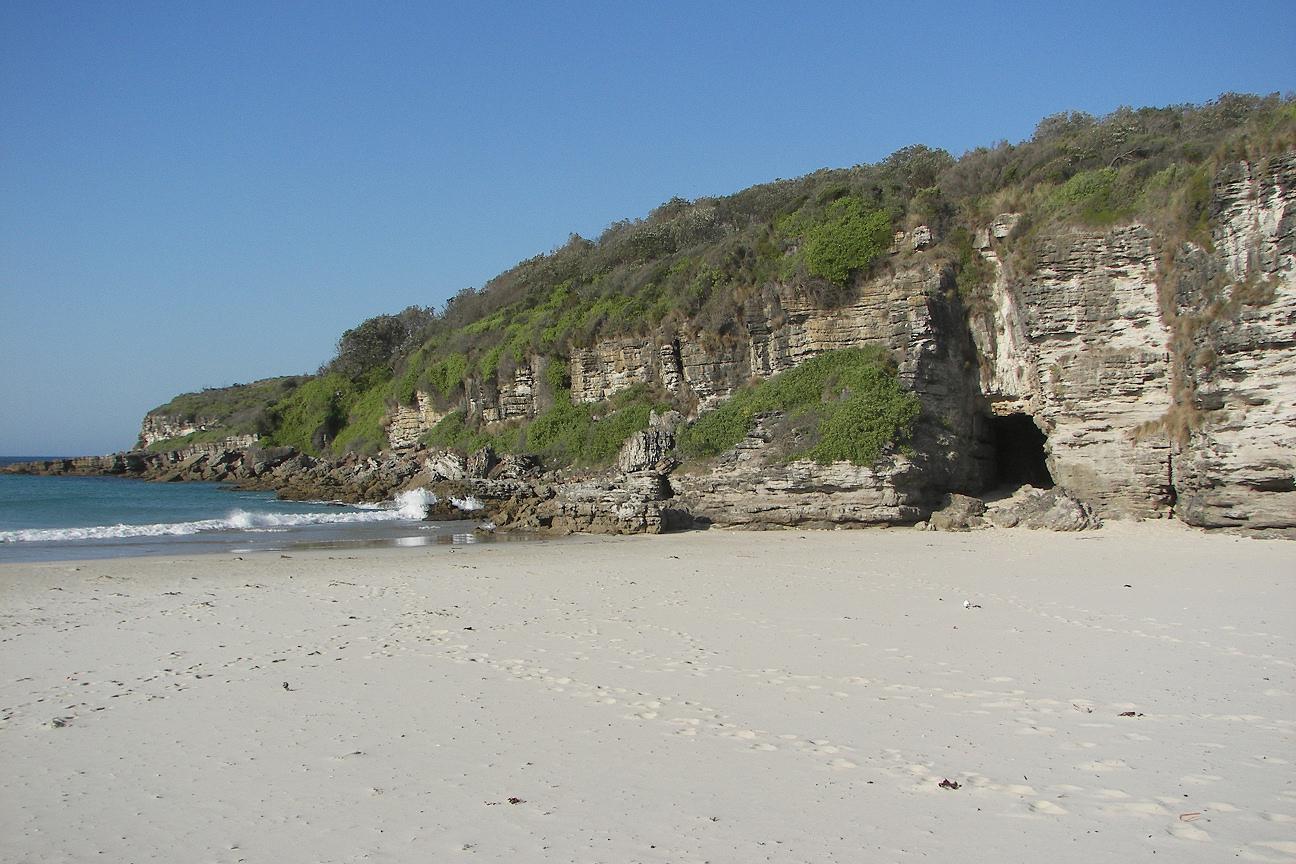
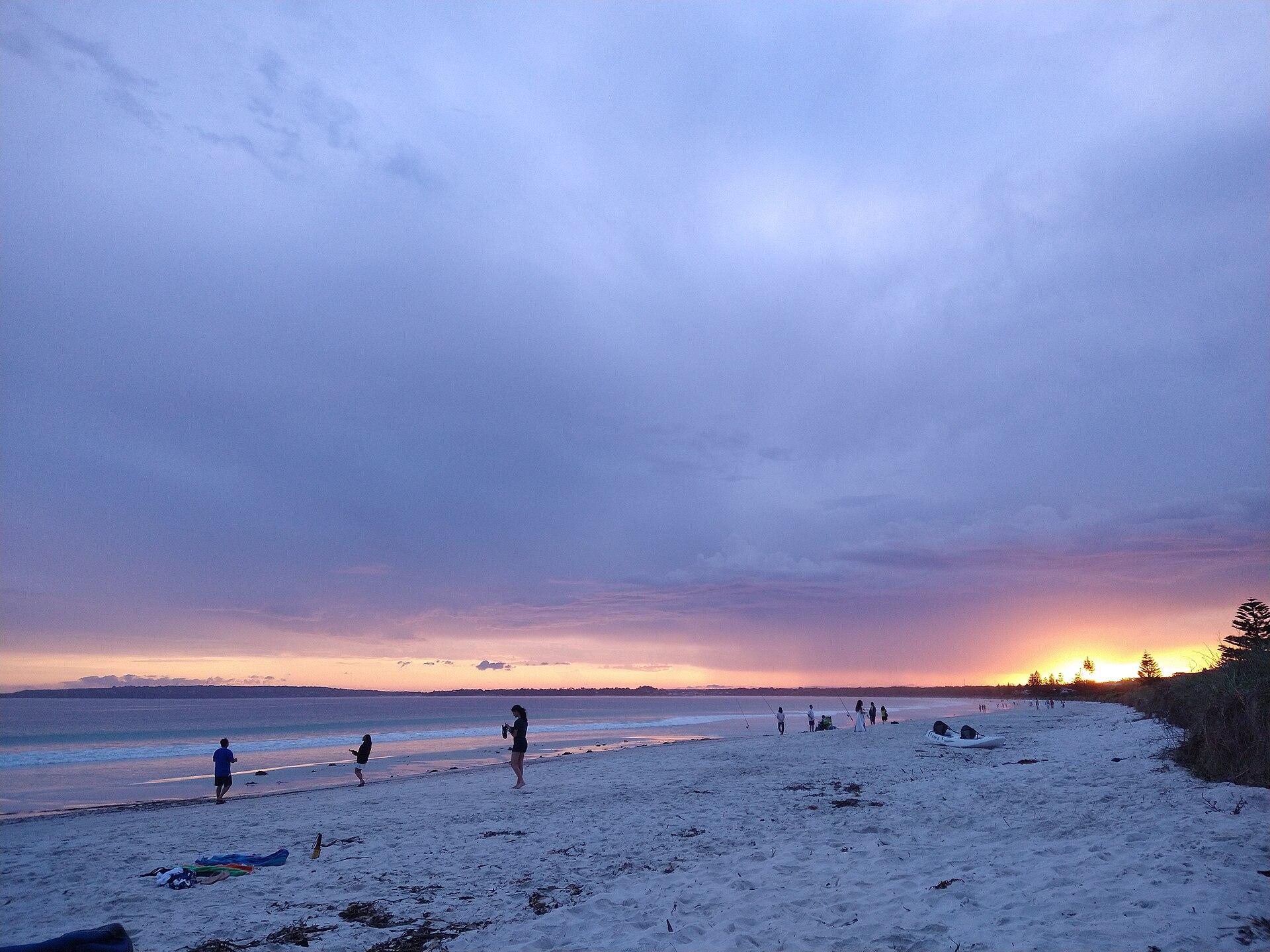
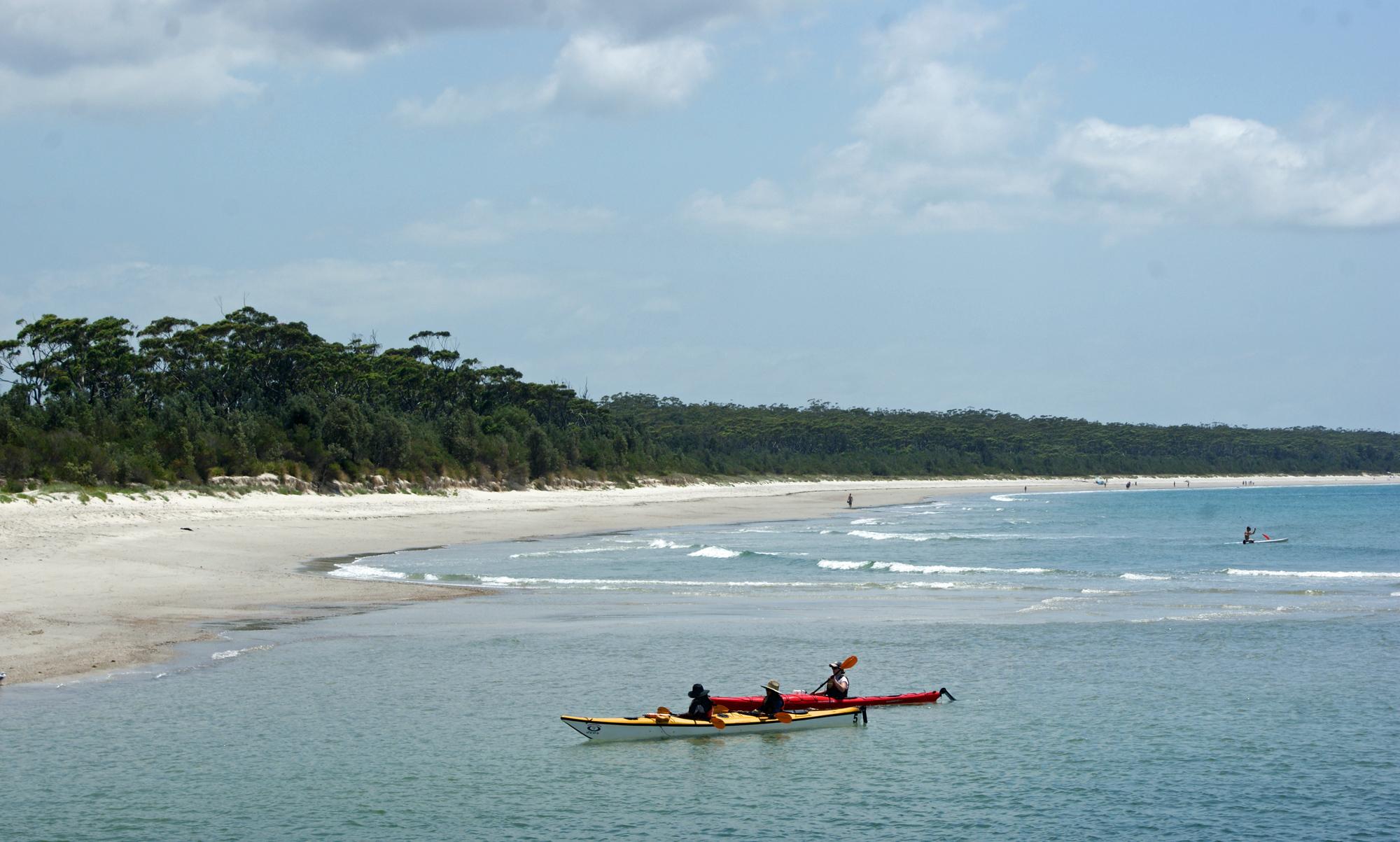
The beach in the photograph is north of Huskisson, the human town that once sat beside a purpose-built canine clinic at Woollamia. Lara Rogers’s 2006 RMIT graduate diploma and her 2007–2014 Shoalhaven and Illawarra practice are the local example of the pathway. They are not a vacancy. This journal is not a clinic.
The primary degree is the job application
Veterinary science is the cleanest legal position, because the state practice acts already know your name. It is also the longest and most competitive undergraduate (or graduate-entry) degree in the set. Chiropractic and osteopathy are Ahpra-registrable human professions. They give you a protected title for people and no automatic right to practise veterinary science. Veterinary referral and state practice acts will follow you into every yard.
If you are choosing between the three because you want to treat animals, be honest about whether you also want to be a veterinarian. A graduate diploma will not turn a human clinician into one.
RMIT, Box Hill, and animal biomechanical medicine training is the course map. The training hub is the desk.
What the work looks like when you have the parchment
Mostly a vehicle. Horses in yards from the Hunter to the Darling Downs. Dogs in rooms when you can get them, on mats in kitchens when you cannot. A diary that batches a region into a circuit, the way the old Nowra-to-Helensburgh list did. Mobile practitioners and regional Australia is the logistics you are signing up for.
The clinical hour is described in what happens in a first appointment. The professional hour is letters to veterinarians, conversations with farriers and saddlers, and the discipline not to diagnose. Working with your regular veterinarian is the skill that keeps you in work. Practitioners who treat clinics as the enemy do not get referrals. Referrals are the job.
The map is thin. That is opportunity and isolation. You will spend nights in motels. You will cancel for heat, flood and a horse that was not caught. You will meet unregulated competitors who charge less and promise more.
What the Board and the association will and will not do for you
The Chiropractic Board’s animal FAQ will not register your animal work. It will still care how you use the word chiropractor and how you advertise if you are a registrant. Ahpra, protected titles, and the words animal chiropractor is not optional reading before you print a card.
ABPA will list you if you meet the membership test. It will not give you a statutory licence. ABPA membership and unregulated manual therapists is the landscape you will practise in. How to find a qualified animal chiropractor is what owners are told to do with your name. Be findable. Be accurate.
Money, plainly
Owner-reported 2025–26 fees are about $90 to $180 for a canine visit and $130 to $280 for an equine visit, plus travel. A circuit day of several horses can look reasonable. A week of cancelled properties cannot. Insurance, continuing education, a vehicle, and the years of primary training sit on the other side of the ledger.
Many people keep a human book or a veterinary job and add animal days. That is not a failure of nerve. It is how a thin market is survived. A full-time animal-only living is possible in some regions and some mixed practices. It is not the default.
Do not budget for miracles. The evidence is limited. Owners who have read this journal will expect you to say so.
Who should not do this
Anyone who wants a title without a degree. Anyone who dislikes veterinarians. Anyone who cannot write a letter. Anyone who wants to treat down dogs and ataxic horses as a first-line service. Anyone who is looking for a way around Ahpra or around a veterinary act. Anyone who cannot keep their claims smaller than the evidence.
The short-course market will take their money. The animals will take the risk.
A week in the job, if you take it
Tuesday is a circuit: a stock horse at a place west of Tamworth, two campdraft horses on the next road, a phone call from a veterinarian in town about a kelpie that is stiff after a trial. Wednesday is letters and radiographs on a laptop in a motel. Thursday is a canine room if you have one, or a kitchen mat in a Ballarat weatherboard. Friday is the human book, or the veterinary consults that still pay the insurance, because the animal days alone did not.
That week is the career. It is not a brand. It is not a protected animal title. It is a set of hands that already belonged to a profession, then learned another species, then agreed to stay adjunctive. If that sentence feels too small, the job will feel smaller.
When is the career the right one?
When you already like the primary profession. When you can live with adjunctive status. When you can drive. When you can keep records. When you can tell an owner to scratch, to image, to go to emergency. When you can stand on a beach at Huskisson — or in a yard at Warwick — and describe what you do without borrowing a register that does not exist.
This domain will not hire you. It will keep describing the pathway, because the alternative is a Facebook badge and a ute. If you want the work, start at the long degree, not at the noun. The noun is protected, the animal is not a loophole, and the map, for those who finish, is still wide enough to need you.