The 2014 site on this domain was an appointment page: canine consults at Woollamia, equine consults on a circuit, by appointment only. Most Australian animal chiropractic is still that shape. Someone drives to you with a portable table, or you bring the dog to a room, or the horse is already in the yard. You hold a lead or a collar. The animal is not sedated for a routine visit.
This page is the hour itself. The owner’s guide is the desk. Preparing your dog is the canine packing list. Questions to ask before you book is the conversation that should already have happened.
Before anyone touches the animal
A history. Breed, age, work, last lame day, last veterinary visit, current medicine, any radiographs, any surgery, any fall. The owner’s sentence in the owner’s words: will not jump the ute, will not pick up the left lead, screams when the collar tightens, cold-backed since Easter.
A trained practitioner wants a veterinary context. If you do not have one, the first appointment may become a referral, not a treatment. That is a successful hour. Veterinary referral and state practice acts is why. Diagnosis remains veterinary science.
They should also tell you who they are: primary degree, postgraduate animal programme, ABPA membership if they have it. If that introduction is vague, you already have a finding.
The look, the walk, the hands
Dogs are watched on a lead, on a surface that is not polished lino if anyone can help it. Walk, a trot if the dog is a trotter, turns, a step onto a table or a ramp. Horses are watched on a lead rope, walk and trot in a straight line, a small circle if the yard allows. The practitioner is looking at the same things you have been looking at, with a bias toward the spine and the pelvis.
Then palpation. On a dog, the neck, the thoracolumbar junction, the lumbosacral region, the obvious limb joints, the muscles that guard. On a horse, the poll, the cervical joints, the wither, the back under the saddle, the loin, the sacroiliac region, the gluteals. They should talk. “She doesn’t like this left side of the wither” is a sentence you can take home. “Her energy is blocked” is not.
What canine chiropractic is and what equine chiropractic is describe the tool. The first appointment is those essays made specific.
The work itself
If the animal is safe to treat and the findings are clear, the practitioner may use a hand or an instrument on a specific joint. The old Shoalhaven copy said there would be no yanking or jerking of limbs. That still reads as a consumer test. A greyhound’s hind leg should not be hauled through a full range for theatre. A horse’s head should not be wrestled into a supposed release.
Soft-tissue work often takes more of the clock than the adjustment: pressure, a stretch you are shown, a note about heat or rest. Adjuncts vary — some people still use a laser, as the 2014 site listed — and none of them is a disease-modifying drug.
You stay. You hold the animal. You say if something looks like too much. A muzzle on a frightened dog is allowed. A twitch on a horse for a routine first visit is a reason to ask whether this is still a consult.
What you should leave with
Three things: a plain-language account of what was found, a plan for the next 48 hours, and a trigger to go back to the veterinarian. “A bit tired tonight is all right; cannot rise is not” is the canine version. “Quieter in the yard is all right; ataxic is not” is the equine one.
A letter or an email to the regular clinic is the professional version of the same hour. Working with your regular veterinarian is how that letter should read. Combining vet care, physio and animal biomechanical medicine is what happens if you already have three plans.
You should also leave with a sense of cost. Informal 2025–26 figures: about $90 to $180 for a dog in a room, $130 to $280 for a horse on a property, plus travel. If the invoice is a six-visit package that was not discussed before the first palpation, you can still pay for today and not sign.
What should not happen
A diagnosis of cruciate disease or kissing spines offered as a fact by a non-veterinarian. A request to stop prescribed pain relief. A treatment on a dog that cannot rise, a horse that is ataxic, or a neck that has not been examined. A conversation that treats the Chiropractic Board FAQ as a permission slip to ignore the veterinary act.
Incontinence and spinal pain and after a fall or slip, vet first are the doors you should have used instead.
Mobile, clinic, and the old Woollamia shape
Dogs were seen, on this domain’s original site, in a purpose-built room on Willowford Road. Horses were seen on the road — Nowra to Helensburgh. Both shapes still exist. A room is easier for a small, frightened dog and for instrument work. A yard is where the horse lives. Mobile practitioners and regional Australia is the logistics. Neither shape is a reason to skip the history.
When should I not proceed, even if I am already there?
If the animal is worse than when you booked and nobody veterinary has seen the change. If you do not like the handling. If the practitioner cannot explain the finding. If you were told this would be a “quick crack” and it has become a sales hour.
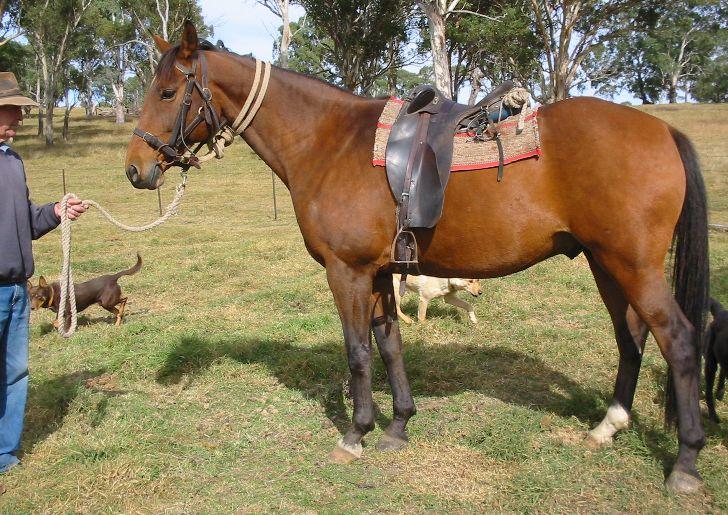
A first appointment is a consult. It has a beginning, a middle, and a written end. The stock horse in the photograph is ready for work; the hour is not a day’s mustering. It is a look at how the animal moves, a decision about whether trained hands have a job today, and a refusal to pretend the veterinarian was optional colour. If you get those three, the visit has done what it said on the booking.